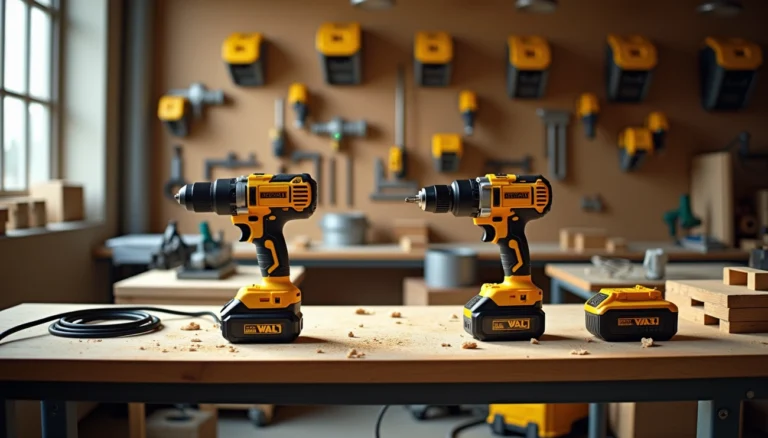
What is the best power tool brand for beginners?
In 2026, Ryobi is widely considered the best brand for beginners due to the sheer variety of its 18V ONE+ system and its affordable entry-level pricing. For those looking for more durability, DeWalt’s Atomic series offers a more professional feel without the bulk.
Walking into a hardware store in 2026 can feel like a trap. You’re met with walls of neon-colored plastic, confusing battery voltages, and sales reps pushing the most expensive “Professional” gear on someone who just wants to hang a flat-screen TV.
Here is the truth: Most beginners don’t need a $600 kit. But you do need a system that won’t be obsolete by next Christmas. This guide breaks down the 2026 landscape of cordless combo kits, focusing on “The Big Three” brands that offer the best entry point for DIYers, homeowners, and hobbyists.
Why the “Combo Kit” Strategy Wins
In the 2026 market, buying tools individually (known as “bare tools”) is a tactical error for beginners. Manufacturers price their batteries high to keep profit margins up. However, they use Combo Kits as a loss-leader to “hook” you into their battery platform. When you buy a kit, you aren’t just buying a drill; you are choosing your battery ecosystem for the next decade.
The Top 3 Beginner Kits for 2026
1. The Value Champion: Ryobi ONE+ 18V 6-Tool Combo
Ryobi remains the king of the “prosumer” market. In 2026, their ONE+ system is the most versatile on the planet, with over 300 tools running on the same 18V battery.
- Verdict: If you want to maintain a home and do light furniture projects, this is the smartest $299 you will ever spend.
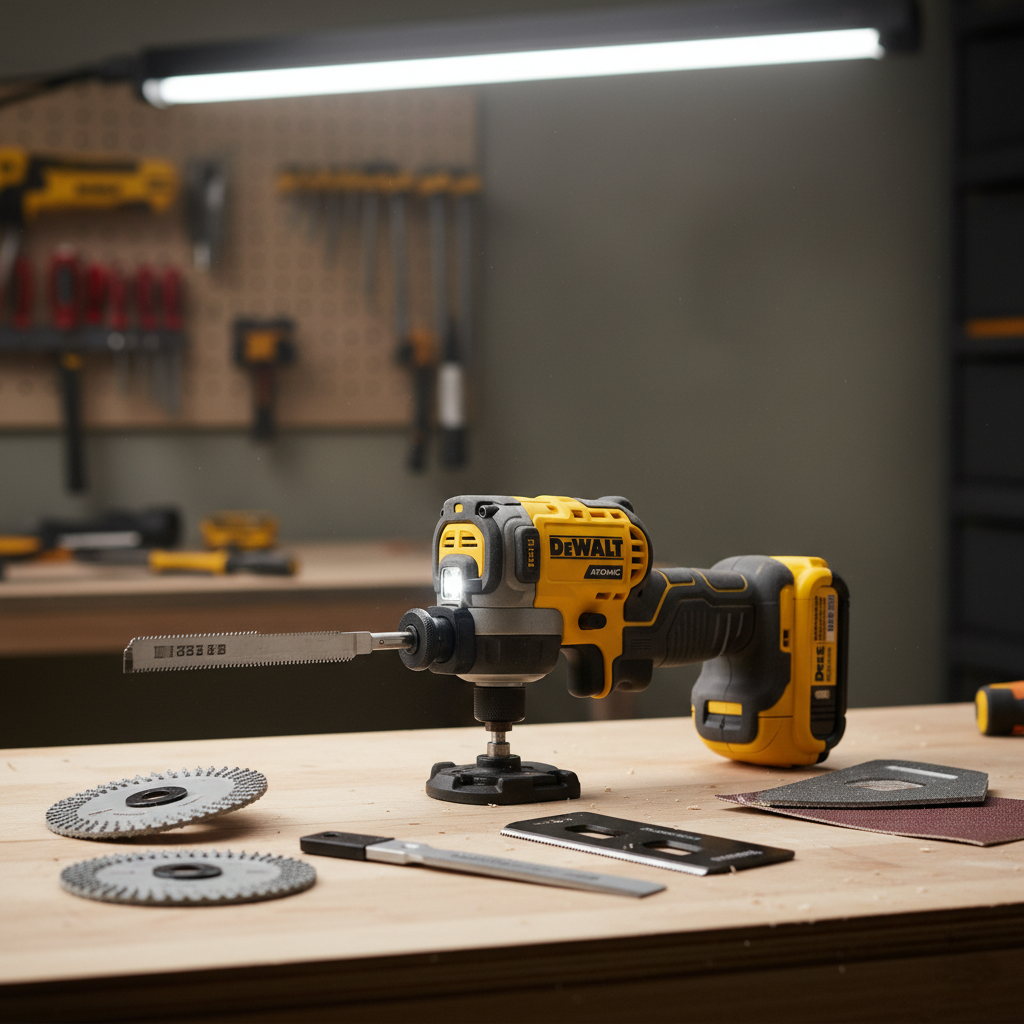
2. The Precision Choice: DeWalt 20V Max Atomic Series
DeWalt’s Atomic line sits right between heavy industrial gear and entry-level home tools.
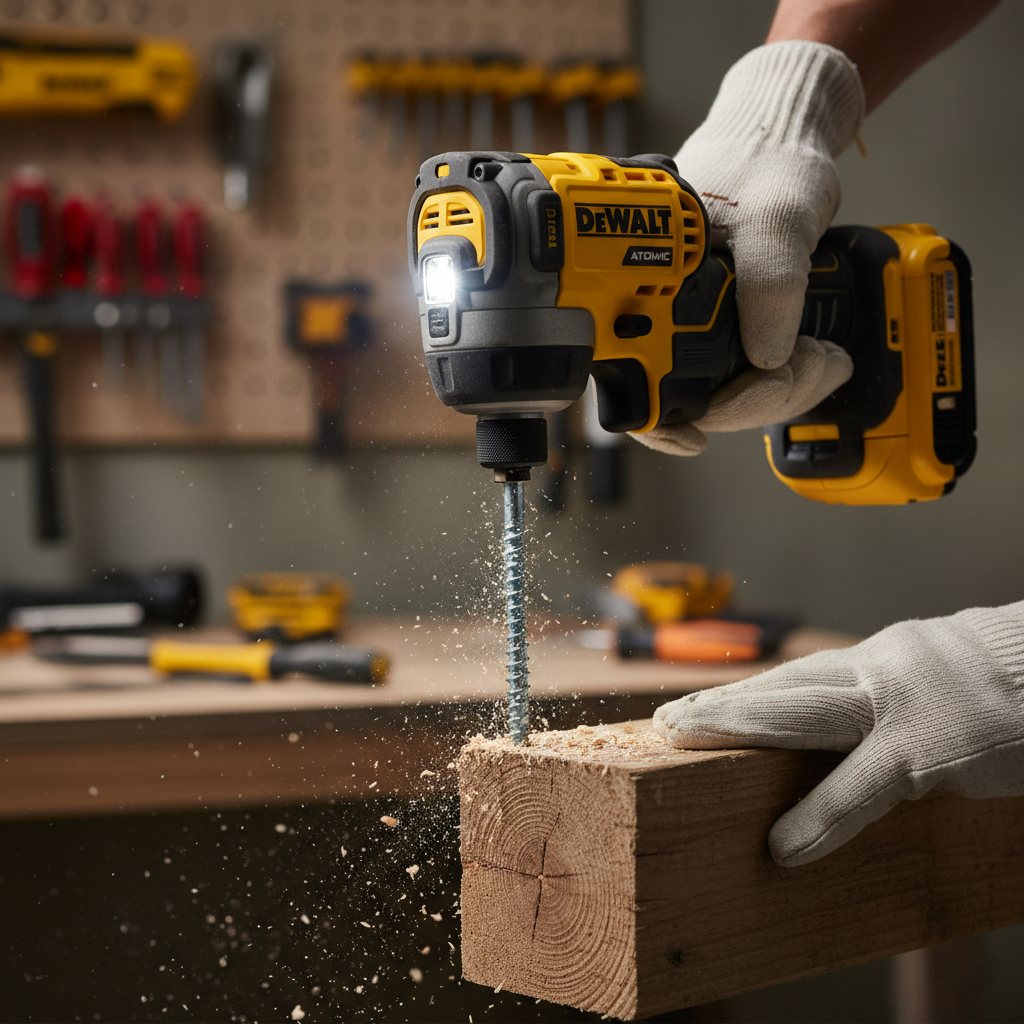
- Verdict: Perfect for beginners who have smaller hands or work in tight spaces like cabinets and closets.
3. The Durability King: Milwaukee M18 Brushless 2-Tool Kit
Milwaukee is often seen as a “Pro” brand, but their 2026 entry-level brushless kits are built like tanks and surprisingly affordable.
- Verdict: If you plan on doing heavy-duty work like building a deck or a fence, start here.
Understanding Batteries and Charging in 2026
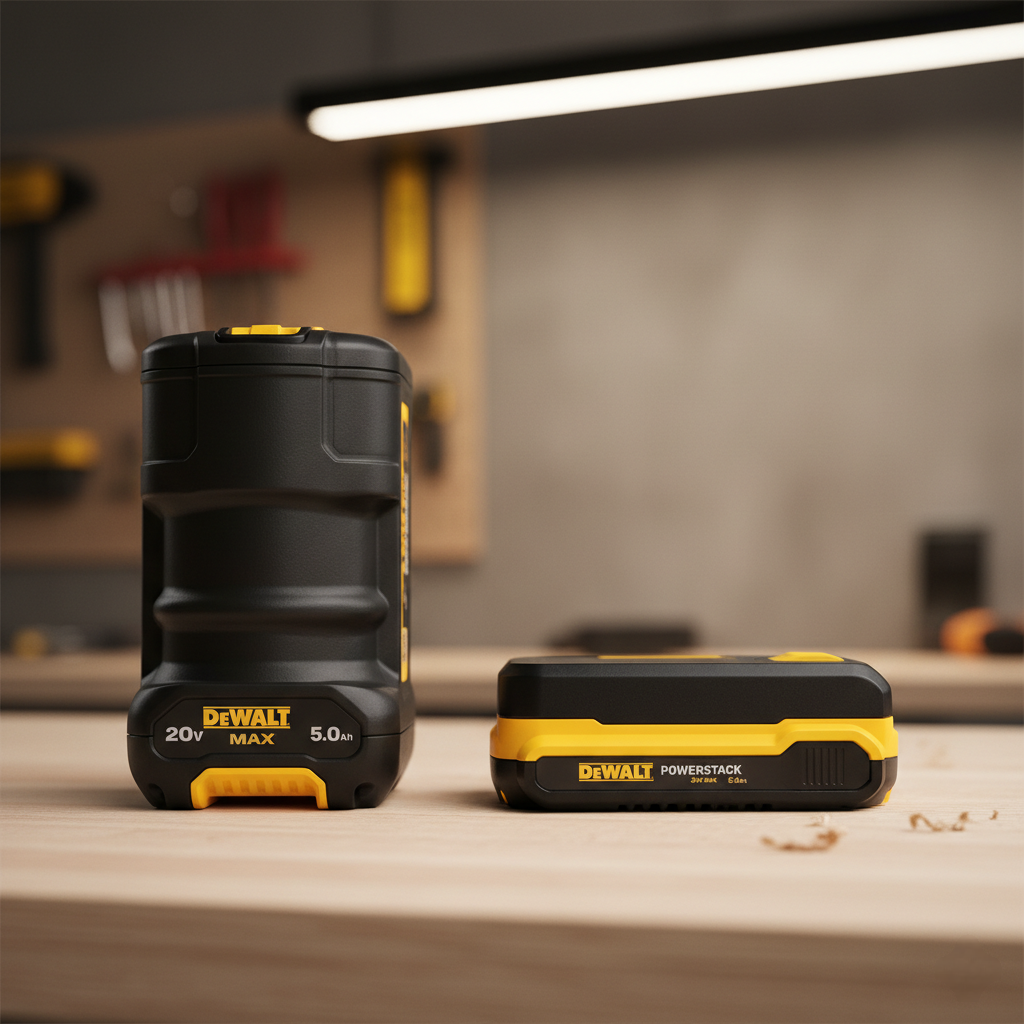
This is the area that confuses beginners the most. Think of “Voltage” as the horsepower and “Amp Hours” (Ah) as the gas tank. Most beginner kits come with 1.5Ah or 2.0Ah batteries. These are great for drills because they keep the tool light. However, for high-drain tools like saws, you’ll eventually want a 4.0Ah battery.
With the rise of 2026 “universal battery adapters,” the temptation to mix-and-match brands is high. However, using a third-party battery on a high-performance DeWalt or Milwaukee tool can bypass built-in thermal protection sensors. For the highest level of protection, look for tools and batteries that meet ANSI (American National Standards Institute) requirements for electrical safety. These standards ensure that your lithium-ion cells won’t overheat or fail under the heavy stress of a long DIY weekend.
Safety Standards for the 2026 DIYer
Even the most advanced brushless motor can’t prevent a “kickback” if a saw blade binds in a piece of pressure-treated lumber. Before you make your first cut, it is critical to understand that power tools are indifferent to your safety.
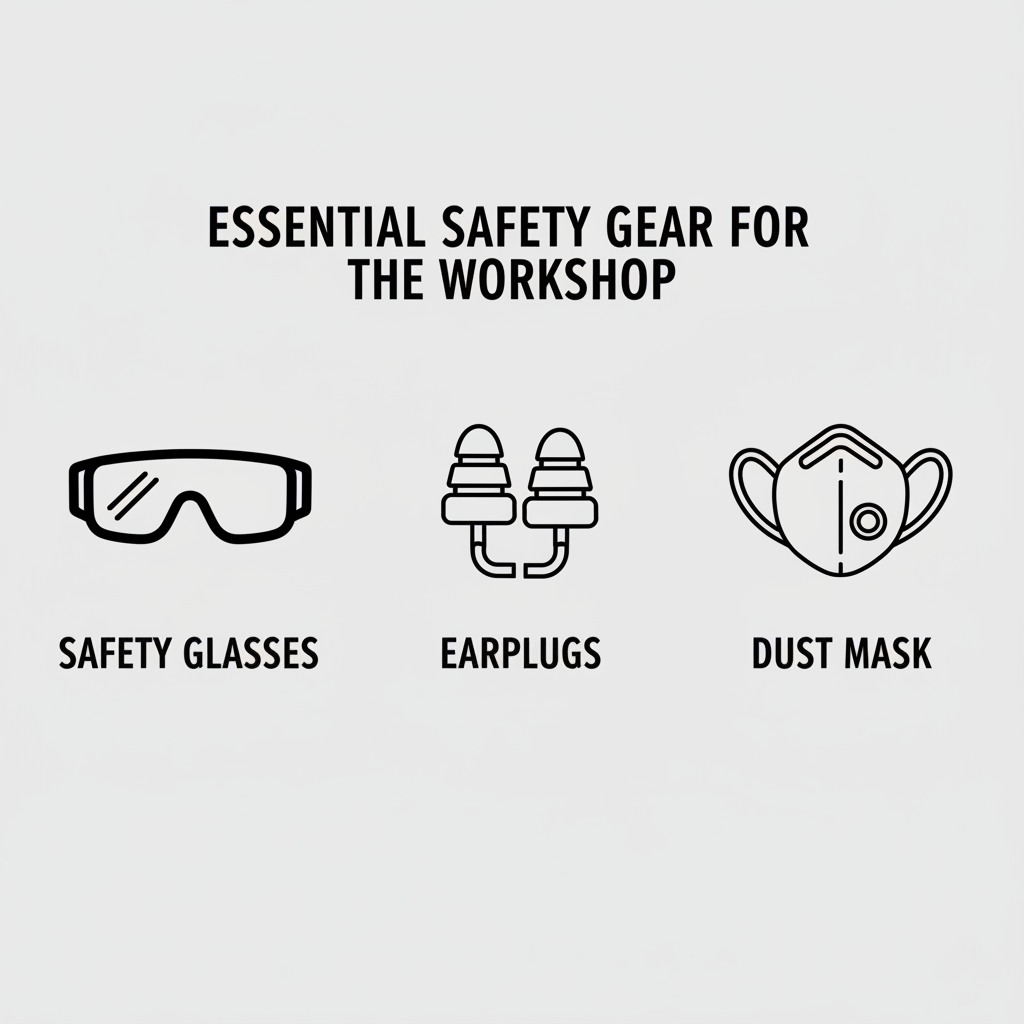
In 2026, professional contractors still rely on the foundational safety guidelines provided by OSHA to prevent common injuries like eye trauma and electrical shocks. As a beginner, your first “tool” should always be a pair of ANSI-rated safety glasses and a solid understanding of how to keep your hands clear of the “danger zone” during operation.
The “Secret” Tool: The Oscillating Multi-Tool
If you find a kit that includes an oscillating multi-tool, grab it. It’s a “vibrating” blade that can cut through drywall, trim nails, and sand rust. For a beginner, it is the ultimate “get out of jail free” card when a project goes sideways.
Summary: Which Kit Should You Pick?
- Choose Ryobi if you want the most tools for your money and a massive range of future tool options.
- Choose DeWalt if you want the latest “pouch-cell” battery technology and tools that feel light and nimble.
- Choose Milwaukee if you want the most durable tools and the best warranty in the industry.
You may also want to read about: